
Hazards and Safety Requirements for Working in Winter Weather Conditions
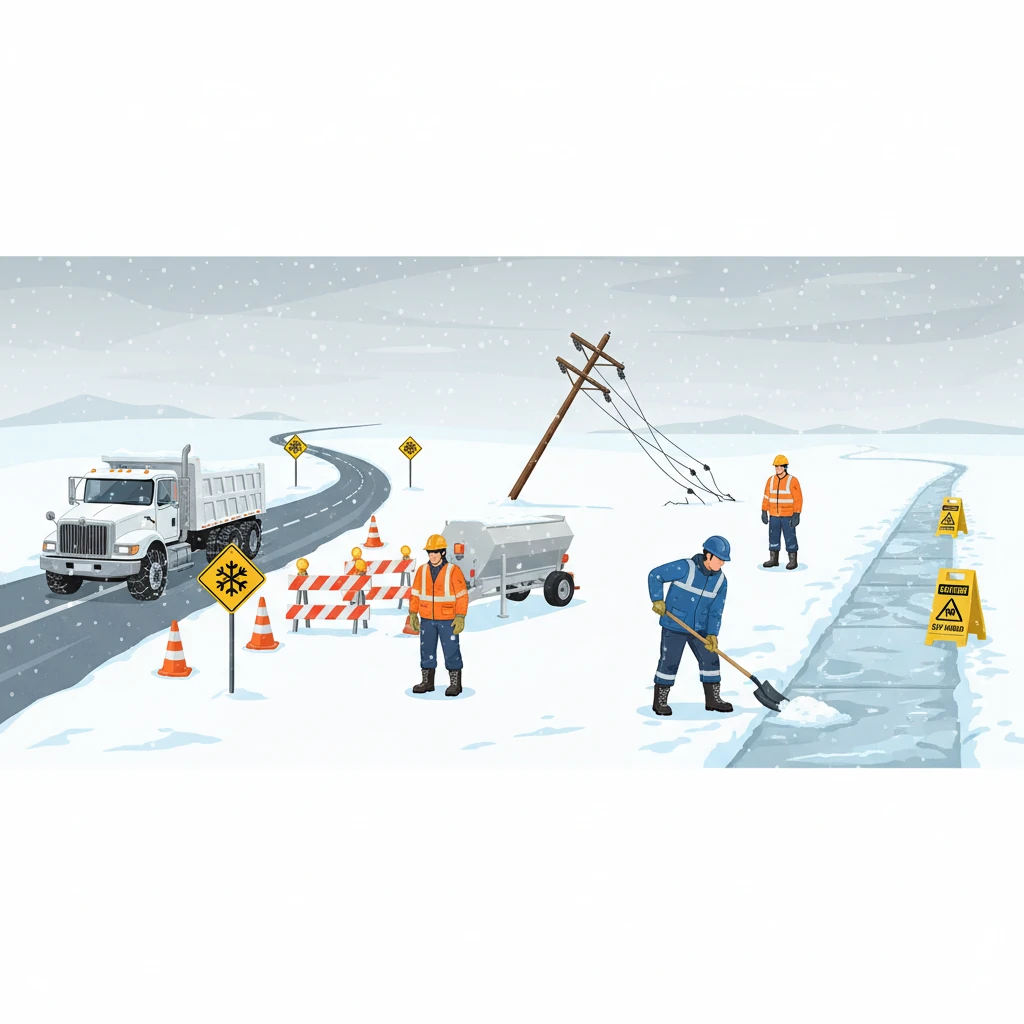
Winter weather conditions, in addition to causing cold stress, pose numerous hazards for workers who are engaged in outdoor activities or specific tasks. These activities include driving on snowy and icy roads, roof snow removal, working at heights, and operating near damaged or downed power lines. Identifying these hazards and adhering to safety requirements play a critical role in preventing occupational accidents.
Driving in Winter Conditions
Although employers do not have direct control over road conditions, they can promote safe driving behavior among employees by implementing effective safety policies. Such measures include:
- Raising drivers’ awareness of the hazards associated with driving on snow- and ice-covered roads
- Providing specialized training for driving in adverse weather conditions
- Ensuring that drivers hold valid licenses appropriate to the type of vehicle
Employers should establish clear driving safety policies and enforce their implementation. In addition, regular vehicle maintenance and mechanical inspections are essential, as many traffic accidents are preventable.
Vehicle Safety Inspections
Trained employees should inspect the following components before use:
- Brake system: Proper operation and adequate brake fluid level
- Cooling system: Correct antifreeze-to-water mixture (50/50)
- Electrical system: Battery condition, clean connections, and alternator belt status
- Engine: General inspection of related system performance
- Exhaust system: No leaks and secure mounting
- Tires: Adequate tread depth, no excessive wear or damage, and proper inflation
- Engine oil: Adequate oil level
- Visibility systems: Headlights, windshield wipers, defrosters, and installation of winter wipers
Recommended Emergency Equipment in Vehicles
- Mobile phone or two-way radio
- Windshield ice scraper and snow brush
- Flashlight with spare batteries
- Small shovel and tow chain
- Traction aids (sand or cat litter)
- Flares or warning reflectors
- Jumper cables
- Light food supplies and water
- Road map
- Blanket and extra clothing
Traffic Safety in Work Zones
Each year, a significant portion of occupational injuries in work zones results from vehicles striking workers. Snowy and icy conditions increase the risk of vehicle skidding and loss of control. Therefore:
- Work zones must be clearly marked using signs, cones, barrels, and safety barriers.
- Workers exposed to traffic must continuously wear high-visibility reflective vests. must
Becoming Stranded in a Vehicle
If you become stranded in a vehicle during winter conditions:
- Remain inside the vehicle and contact emergency services if necessary.
- Notify your supervisor of the situation.
- Do not leave the vehicle unless help is clearly visible within 100 meters.
- Create a visible warning signal by tying a colored cloth to the antenna or raising the hood.
- Run the engine for about 10 minutes each hour to use the heater.
- be aware of carbon monoxide poisoning hazards; keep the exhaust pipe clear of snow and ensure proper ventilation.
To maintain warmth and circulation:
- Monitor for signs of frostbite and hypothermia.
- Perform light physical movements and avoid prolonged immobility.
- Use blankets, newspapers, maps, or vehicle floor mats for insulation.
- Avoid overexertion, as extreme cold places additional strain on the heart.
Manual Snow Removal
Snow shoveling is a physically demanding activity and may lead to fatigue, dehydration, musculoskeletal injuries, or heart attacks. To reduce risks:
- Warm up your body before starting.
- Move smaller amounts of snow at a time.
- Push snow whenever possible rather than lifting it.
- Follow proper lifting techniques: keep the back straight, use leg strength, and avoid twisting motions.
Use of Powered Snow Removal Equipment
- Equipment must be properly grounded to reduce the risk of electric shock.
- During maintenance or cleaning, the machine must be turned off and disconnected from its power source.
- Never attempt to clear blockages by hand while the equipment is running.
- First turn off the machine and wait until all moving parts have fully stopped, then use a long stick to clear the obstruction.
- Refuel only when the engine is off and completely cool.
Roof Snow Removal and Work at Heights
Employers are required to assess potential hazards and determine safe work methods before work begins. Key considerations include:
- Structural integrity assessment by a competent person
- Presence of icy and slippery surfaces
- Identification of hidden hazards such as skylights
- Maintaining a safe distance from overhead power lines
Whenever possible, methods that eliminate the need for workers to access roofs should be used. Selecting appropriate equipment (ladders, lifts), personal protective equipment (fall protection systems, slip-resistant safety footwear), and providing proper training are mandatory.
Slip and Fall Prevention
- Walkways should be promptly cleared of snow and ice and treated with salt or de-icing materials.
- Wearing insulated, waterproof footwear with appropriate tread is essential.
- Take short steps and walk slowly to allow for quick reaction.
Working Near Damaged Power Lines
Working on power lines during winter is extremely hazardous because moisture from snow can reduce the insulating properties of equipment. Whenever possible, work should be on de-energized lines If energized work is unavoidable, only trained personnel may perform such tasks following a comprehensive risk assessment.
Potential hazards include:
- Electric shock
- Fires caused by live power lines
- Impact from fallen branches or utility poles
Working Near Damaged Power Lines
All power lines must be assumed to be energized.Maintaining a safe distance and immediately reporting hazards to the appropriate authorities are essential. Only qualified personnel are authorized to handle damaged power lines.
Removal of Fallen Trees
Removing fallen trees—especially when roads or power lines are obstructed—is an urgent and high-risk task.
Primary hazards include:
- Electric shock
- Falls from height
- Injuries caused by powered equipment such as chainsaws and chippers
Workers must use full personal protective equipment, including gloves, protective pants, safety footwear, eye protection, hearing protection, helmets, and fall protection systems. Equipment should only be used if it is in proper working condition and in full compliance with the manufacturer’s instructions.
conclusion
Adhering to safety principles in winter weather conditions is not only a legal requirement but also a vital necessity for protecting workers’ lives. Planning, training, appropriate equipment, and continuous supervision are the main pillars of accident prevention under adverse weather conditions.
source:Occupational Safety and Health Administration
translation by:DGS