
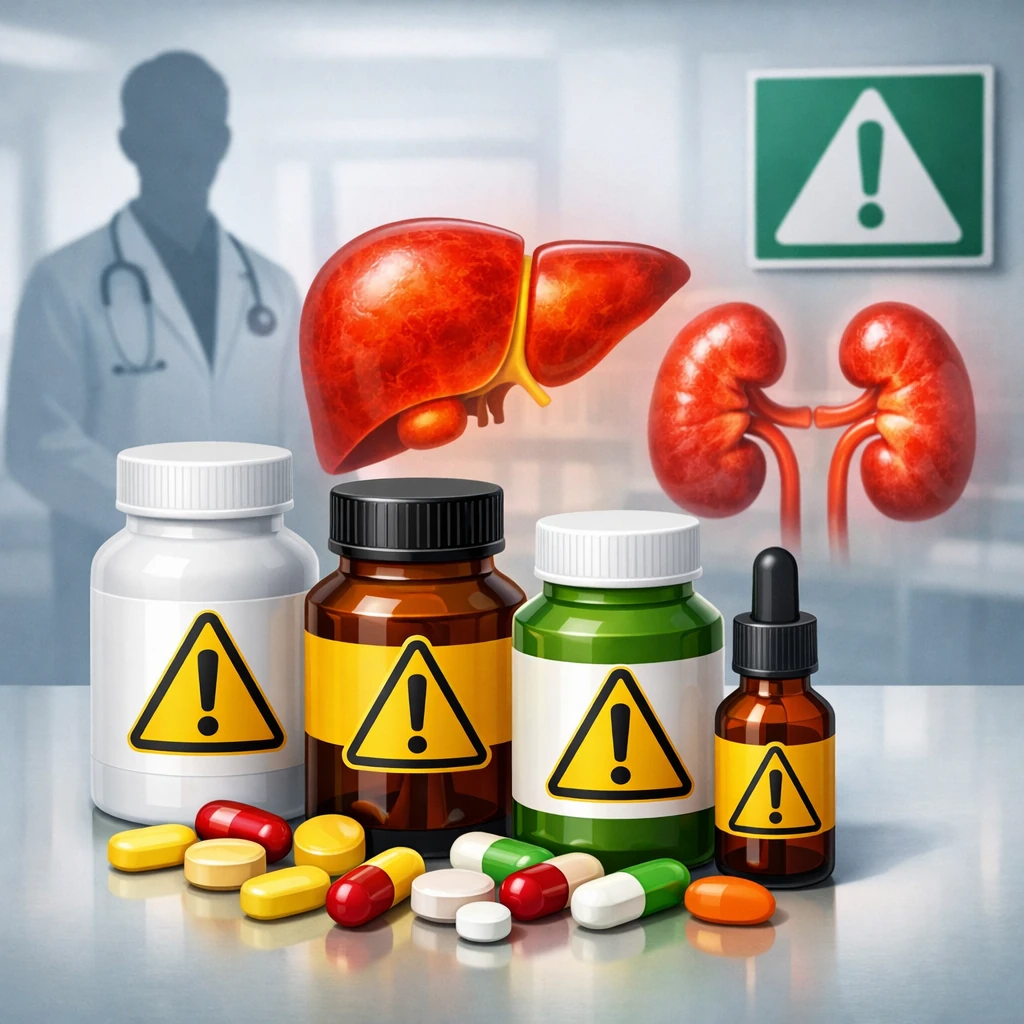
HSE Warning on Unsupervised Use of Vitamin Supplements: A Silent Threat to Liver, Kidney, and Overall Health
The unsupervised and excessive use of vitamin supplements—particularly without prescription or guidance from a physician or nutrition specialist—can pose serious and sometimes irreversible risks to individual health and public safety. These risks range from liver toxicity and kidney damage to neurological, cardiovascular, and hormonal disorders.
Experts in the field of Health, Safety, and Environment (HSE) have warned about the growing trend of indiscriminate vitamin supplement consumption, emphasizing that vitamins are not inherently harmless substances. When used improperly, they can disrupt the body’s biological balance and expose individuals to significant health hazards.
According to ISNA, Dr. Zahra Sadat Sang‑Sefidi, a nutritionist and faculty member at North Khorasan University of Medical Sciences, stated that vitamins are biologically active compounds. Excess intake—especially through supplements—can lead to toxicity, increased stress on vital organs, and a higher risk of chronic diseases. From an occupational health and public health perspective, she noted, this issue requires serious attention.
Fat‑Soluble Vitamins: Higher Risk of Accumulation and Toxicity
Dr. Sang‑Sefidi explained that vitamins A, D, E, and K pose the highest risk from an HSE standpoint because they are fat‑soluble and tend to accumulate in the body rather than being rapidly excreted. For example, excessive intake of vitamin A may result in liver damage, hair loss, severe dryness of the skin and lips, headaches, nausea, bone pain, and an increased risk of congenital abnormalities in pregnant women—posing a threat not only to individual health but also to fetal safety.
She added that high doses of vitamin D can cause abnormally elevated calcium and phosphorus levels in the blood, leading to kidney damage, bone fragility, impaired growth in children, muscle weakness, musculoskeletal pain, and gastrointestinal disturbances. Such effects highlight the importance of risk management in nutritional intake.
Water‑Soluble Vitamins Are Not Completely Risk‑Free
Rejecting the common belief that water‑soluble vitamins are entirely safe, Dr. Sang‑Sefidi warned that excessive intake can also result in adverse effects. For instance, overconsumption of vitamin C may cause diarrhea, increase the risk of kidney stone formation, and elevate iron accumulation in the body, which can be hazardous for certain individuals.
Long‑term intake of high doses of vitamin B6, she noted, may lead to neurological damage and sensory disturbances. Excessive consumption of vitamins B1 and B3 has also been associated with headaches, seizures, cardiovascular complications, allergic reactions, and, in some cases, liver disorders—issues that are particularly important from a medication safety perspective.
Drug–Vitamin Interactions: A Hidden Health Risk
Dr. Sang‑Sefidi further emphasized the risk of interactions between vitamin supplements and commonly prescribed medications, describing this as a hidden but serious concern. For example, vitamin K can reduce the effectiveness of anticoagulant drugs, while vitamin D may interact adversely with corticosteroids, cardiac medications such as digoxin, antiepileptic drugs, and anti‑tuberculosis medications, increasing the likelihood of serious side effects.
Fortified Foods and the Risk of Excessive Intake
She also warned about the simultaneous consumption of vitamin supplements and fortified foods. Many products—such as milk, breakfast cereals, and beverages—are fortified with vitamins. Without proper awareness of total daily intake, consuming these foods alongside supplements can result in excessive vitamin accumulation and unintended health consequences, underscoring the need for public education and awareness.
HSE Emphasis on Prevention: Balanced Nutrition as a Safer Alternative
According to the Ministry of Health, Dr. Sang‑Sefidi concluded that the cornerstone of health and safety lies in obtaining vitamins through a balanced and diverse diet. Vitamin supplements should only be used when a deficiency has been properly diagnosed, or in specific conditions such as pregnancy, old age, or certain medical conditions—and always under the supervision of a physician or registered nutritionist.
HSE experts stress that informed consumption, avoidance of self‑medication, and adherence to nutritional safety principles play a crucial role in reducing disease burden and promoting individual and community health.
- source:https://www.isna.ir/
- author:DGS
- 1404/10/09