
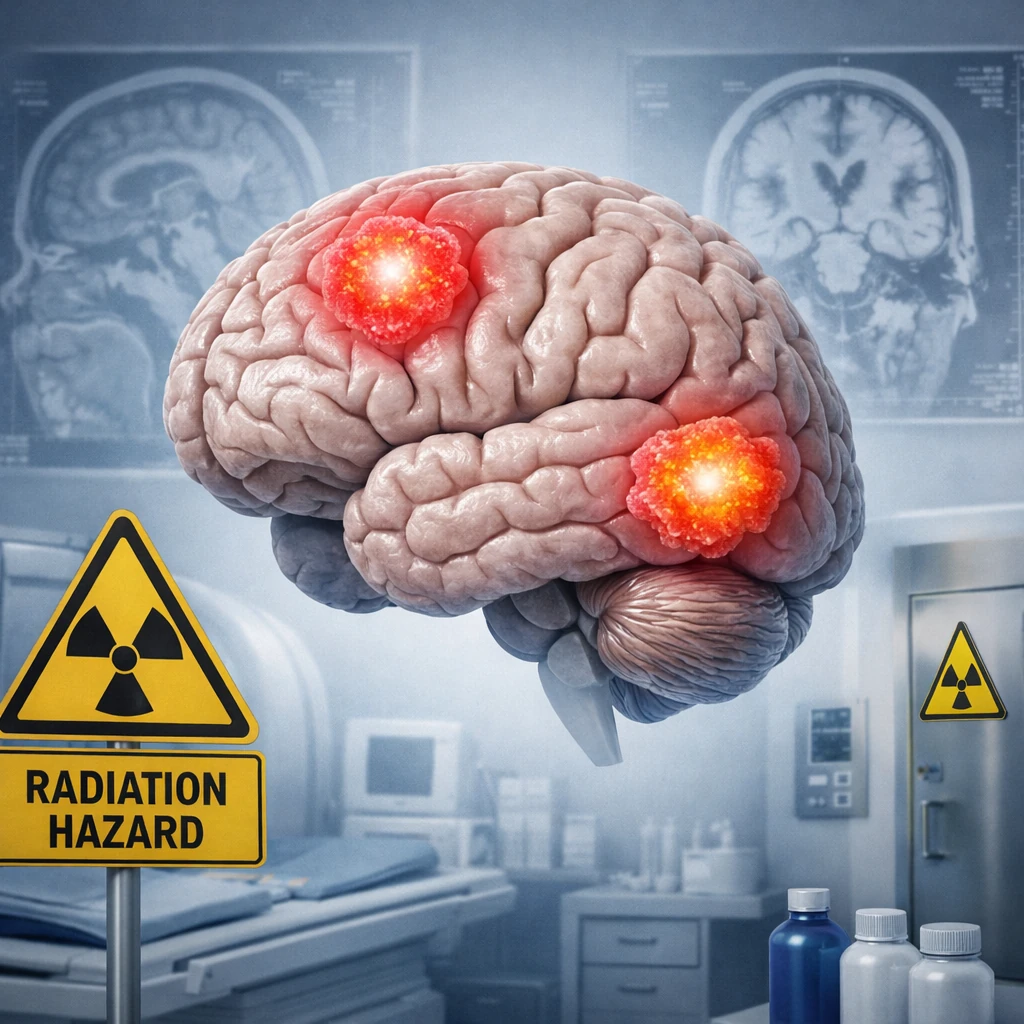
The Role of HSE Factors in the Prevention and Early Detection of Brain Tumors
Radiation Exposure, Environmental Factors, and Occupational Health as Key Risk Contributors
A neurosurgery specialist emphasized the role of Health, Safety, and Environment (HSE) factors in the development of brain tumors, highlighting the importance of controlling radiation exposure, improving occupational health standards, and promoting early diagnosis as key pillars of prevention.
According to Mehr News Agency, citing Webda, Dr. Fariborz Samin i stated that tumors of the central nervous system account for a relatively small proportion of all tumors in the human body. He explained that the central nervous system—which includes the brain, spinal cord, and peripheral nerves—represents approximately one to two percent of all body tumors. Of these, about 30 to 40 percent are malignant and cancerous, while nearly 60 to 70 percent are benign.
Radiation Exposure: A Proven HSE Risk Factor
This faculty member of a medical sciences university identified radiation exposure as one of the most well-established and proven risk factors for tumors of the brain and spinal cord. He noted that individuals who are occupationally or medically exposed to high doses of radiation face a significantly increased risk. From an HSE perspective, this issue is particularly critical in medical imaging centers, healthcare facilities, nuclear industries, and radiation-related occupations.
He warned that children are especially vulnerable due to the higher sensitivity of their neural tissues. Repeated imaging procedures such as CT scans can increase their risk, making strict adherence to the ALARA principle (As Low As Reasonably Achievable) essential.
Genetic, Immune, and Personal Health Factors
Dr. Samin i added that the exact cause of many brain tumors remains unknown. However, certain genetic disorders—such as neurofibromatosis and tuberous sclerosis—are closely associated with an increased risk of central nervous system tumors. In addition, immune system disorders play a significant role, particularly among patients who take immunosuppressive medications due to organ transplantation or specific chronic diseases.
Age, Gender, and Hormonal Influences
According to this neurosurgery specialist, some tumors are more prevalent at specific ages. For example, medulloblastoma is more common in children, whereas tumors such as glioblastoma and meningioma are more frequently diagnosed in older adults.
He further explained that meningiomas are more common in women, suggesting a hormonal influence. In some female patients, tumor growth may accelerate during pregnancy due to hormonal changes.
Metastatic Tumors and General Health Status
Dr. Samin i also addressed metastatic tumors, explaining that these tumors originate in other organs and spread to the brain or spinal cord through the bloodstream or adjacent tissues. Such tumors are typically malignant and are closely linked to overall health status, lifestyle factors, and environmental exposures.
Early Detection: A Key Strategy for Risk Reduction and Safety
In conclusion, he stressed the importance of preventive strategies within the HSE framework. While factors such as age and gender cannot be modified, reducing exposure to environmental hazards, adhering to occupational safety standards, and seeking medical attention promptly when neurological symptoms appear can significantly improve outcomes.
He identified warning signs such as visual or hearing impairment, limb weakness or paralysis, speech disorders, and unusual or persistent headaches. He emphasized that early diagnosis enables the use of minimally invasive treatments, including limited surgery, targeted radiotherapy, chemotherapy, or stereotactic techniques, and significantly increases the likelihood of successful treatment.
- source:https://www.mehrnews.com/
- author:DGS
- 1404/11/20