Safe Blood Donation During Ramadan: A Key Factor in Enhancing Public Health and Healthcare System Resilience
According to the Supporters of Workers’ Health and Safety News Agency, quoting ILNA, the CEO of the Iranian Blood Transfusion Organization emphasized the role of blood donation as one of the fundamental pillars of public health and safe healthcare service management (HSE), noting a decline in blood donation visits during the early weeks of the holy month of Ramadan. He stated that this reduction is mainly due to the misconception among some individuals that donating blood while fasting is not possible.
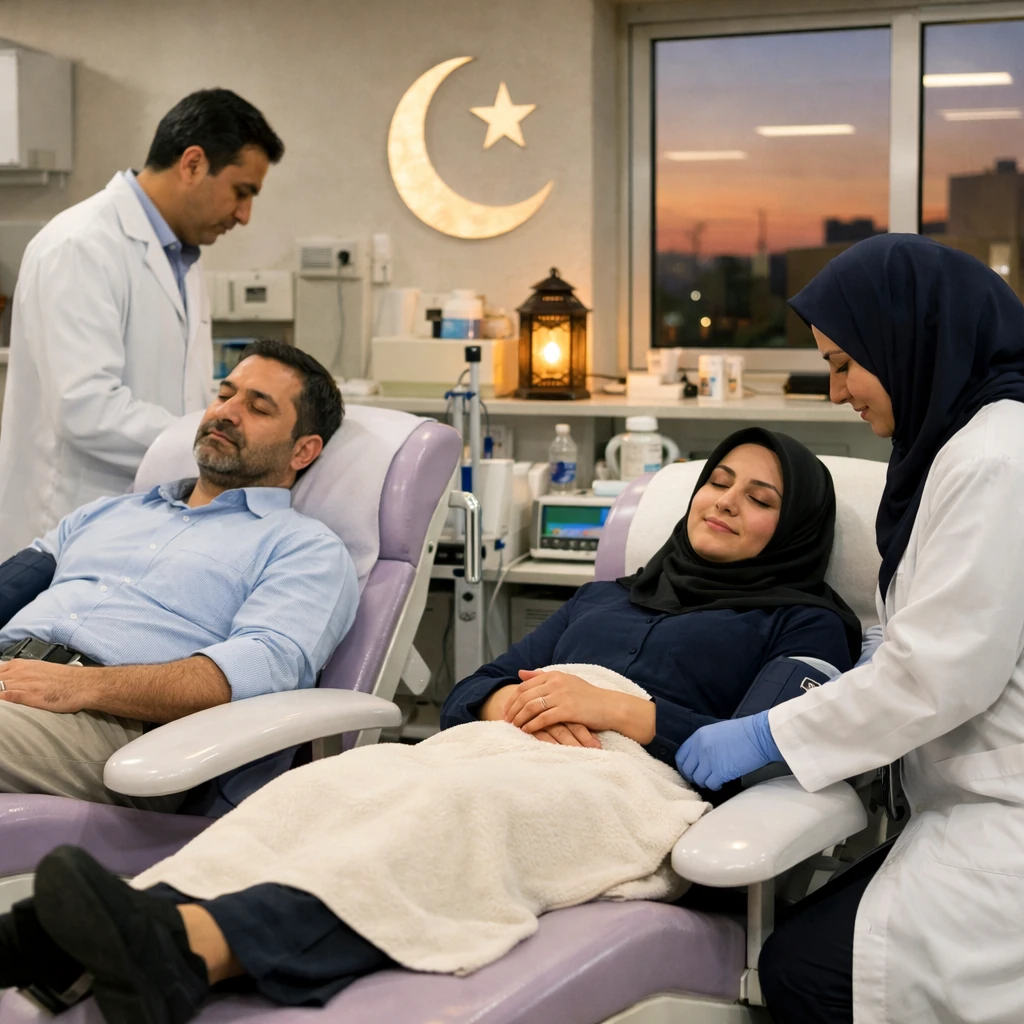
Gharehbaghian explained that blood donation is not medically prohibited during fasting, provided the individual meets general health requirements, adding that people can donate blood either during the day or after breaking their fast. He noted that the blood donation process is entirely short, standardized, and safe; under uncrowded conditions, the total time spent at donation centers is approximately 30 minutes, with the blood collection itself taking about 10 minutes.
Referring to the preventive approach within the HSE framework, he stressed that the need for blood and blood products is continuous and not limited to specific times or occasions. Patients with thalassemia depend on regular blood transfusions for survival, and any disruption in supply directly threatens their lives. Similarly, cancer patients undergoing chemotherapy or radiotherapy require blood and its products as a vital part of completing their treatment process.
The CEO of the Iranian Blood Transfusion Organization added that in cases such as road traffic accidents, internal bleeding, high-risk childbirths, and specialized surgeries including cardiac and orthopedic procedures, the availability of safe and sufficient blood reserves plays a decisive role in saving patients’ lives and reducing irreversible consequences.
Emphasizing donor safety management, he stated that potential mild side effects such as dizziness or weakness are minimized through adherence to medical advice, adequate fluid intake, and a brief rest period after donation. From a health and safety perspective, the blood donation process is fully controlled and monitored.
Gharehbaghian further explained the conditions for blood donation, stating that the minimum age requirement is 18 years, while the maximum age for first-time donors is set at 65 years. In addition, a minimum weight of 50 kilograms, normal blood pressure and pulse, and a minimum hemoglobin level of 12.5 are among the health indicators assessed by a physician or nurse prior to blood collection.
Referring to the importance of all blood groups, he noted that although O-negative blood is particularly valuable due to its use in emergency situations, maintaining adequate reserves of all blood types is essential to ensure patient safety.
Expressing concern over the low participation rate of women in blood donation, the CEO said that currently less than five percent of blood donors in the country are women, whereas this figure reaches 45 to 50 percent in many developed countries. Increasing women’s participation can play a significant role in ensuring the sustainability of blood reserves and improving community health indicators.
He also identified young people under the age of 25 as a strategic target group within the HSE domain and added that, given the country’s demographic shift toward an aging population and the growing demand for medical and surgical services, it is necessary to facilitate the continuous participation of young people and women in the safe blood donation cycle from now on.
In conclusion, Gharehbaghian reassured both donors and recipients that all donated blood undergoes rigorous and multi-stage testing, and if any issue is detected, the matter is confidentially communicated to the individual. Under no circumstances does unsafe blood enter the consumption cycle.
The CEO of the Iranian Blood Transfusion Organization called on the public to support the organization by making gradual and well-planned visits to blood donation centers during the holy month of Ramadan and the lead-up to Nowruz, in order to help ensure the safe and sustainable supply of blood needed by patients across the country.
- source:HSENK
- author:DGS
- 1404/12/06