
HSE Alert on Rising Summer Temperatures in Iran
Forecast Indicates Up to 2°C Above Long‑Term Average; Stronger Workplace Safety Measures Recommended
Tehran – According to the Head of the National Center for Forecasting and Management of Meteorological Hazards, the average temperature during this summer is expected to be approximately 1 to 2 degrees Celsius higher than the long‑term average. From a Health, Safety, and Environment (HSE) perspective, this development requires increased preparedness from government agencies, industries, and workplaces across the country.
Sadegh Ziaian noted that although temperatures increased toward the end of the current week, a temporary decrease in temperature is expected on Saturday and Sunday. However, starting from the middle of next week, a gradual warming trend will begin, leading to hotter conditions in Tehran and many other regions of the country.
Regarding precipitation patterns, he explained that scattered rainfall is mainly expected in the northwest of Iran and along the Caspian Sea coasts, particularly during afternoon hours. Beginning next week, precipitation will become very limited, and weather conditions across most provinces will gradually shift toward a typical summer pattern.
HSE Implications of Rising Temperatures
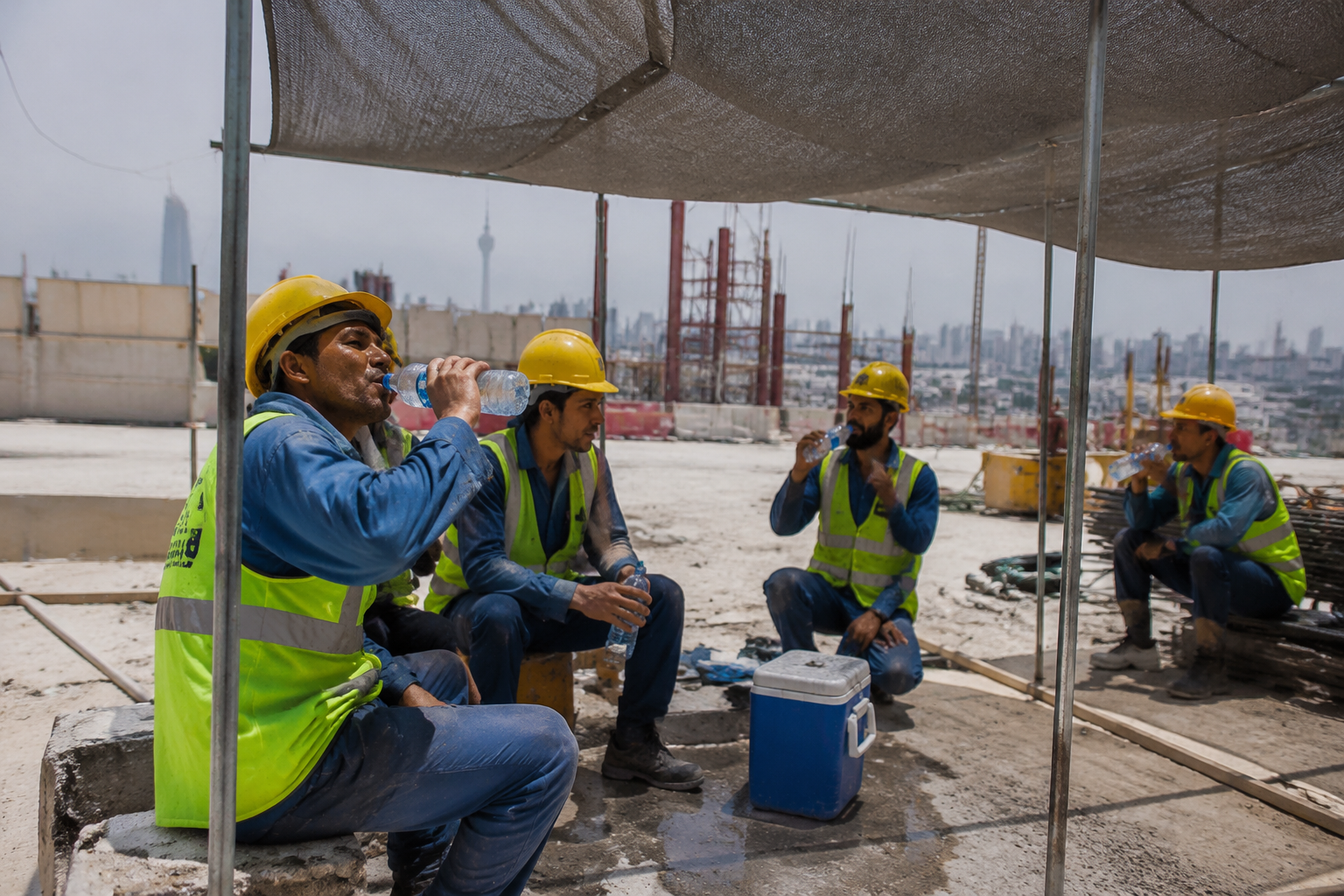
Even a 1–2°C increase in average temperature can have notable impacts on public health, occupational safety, and infrastructure stability. According to occupational health and safety standards, rising environmental temperatures—especially in outdoor workplaces such as construction sites, road projects, oil and gas operations, mining, agriculture, and municipal services—can increase the risk of heat stress, dehydration, heat exhaustion, and reduced worker concentration.
HSE specialists emphasize that with the expected rise in temperatures, employers and safety managers should implement the following preventive measures:
- Adjust working hours for outdoor employees, shifting heavy tasks to cooler periods of the day
- Provide sufficient cool drinking water at work sites
- Ensure the use of heat‑appropriate personal protective equipment (PPE)
- Increase rest intervals and establish shaded rest areas in operational environments
- Continuously monitor heat stress indicators such as WBGT in high‑risk industries
- Train workers and supervisors to recognize symptoms of heat‑related illnesses
Impact on Energy Consumption and Infrastructure
Higher temperatures are also expected to increase electricity consumption in both residential and industrial sectors, placing additional pressure on the national power grid. In this context, implementing energy management practices and load‑reduction strategies will be an important component of organizational HSE management.
Crisis management experts also warn that prolonged heat conditions may increase the risk of wildfires in forests and rangelands, highlighting the need for enhanced preparedness among environmental protection and emergency response agencies.
conclusion
Given the forecast that summer temperatures in Iran may rise 1 to 2 degrees Celsius above the long‑term average, governmental organizations, industries, and workplaces are advised to adopt a preventive approach based on HSE principles and implement effective programs to manage heat‑related risks.
Given the forecast that summer temperatures in Iran may rise 1 to 2 degrees Celsius above the long‑term average, governmental organizations, industries, and workplaces are advised to adopt a preventive approach based on HSE principles and implement effective programs to manage heat‑related risks.
- source:https://www.ilna.ir/
- author:DGS
- 1405/03/24