
Deploying Integrated HSE Management and Smart Pollutant Monitoring: Key Strategies for Mitigating Environmental Crises and Safeguarding Public Health
On the occasion of World Environmental Health Day (September 26), the Minister of Health and Medical Education issued an official message outlining the country’s high-level strategies in Health, Safety, and Environment (HSE), emphasizing the urgent transition toward data-driven governance and proactive environmental risk assessment.
Reflecting on the global theme, “Environmental Health: Science-backed Protection for Communities,” the message underscored environmental health engineering as a cornerstone of national resilience and sustainable development. In its modern paradigm, environmental health transcends conventional inspections, encompassing critical domains such as continuous air pollutant monitoring, safeguarding municipal drinking water networks, assessing chemical and biological risks along the food supply chain, scientifically managing hazardous and medical waste, and mitigating climate change impacts.
Iran currently faces compounding challenges, including the depletion of groundwater aquifers, expanding dust storm corridors, severe urban and industrial air pollution across metropolises, and the safe decontamination of industrial effluents and toxic waste. Overcoming these critical issues requires the comprehensive implementation of integrated Health, Safety, and Environment Management Systems (HSE-MS), thorough Environmental and Health Impact Assessments (EHIA) for industrial projects, and robust synergy among governing bodies, industrial sectors, and academic institutions.
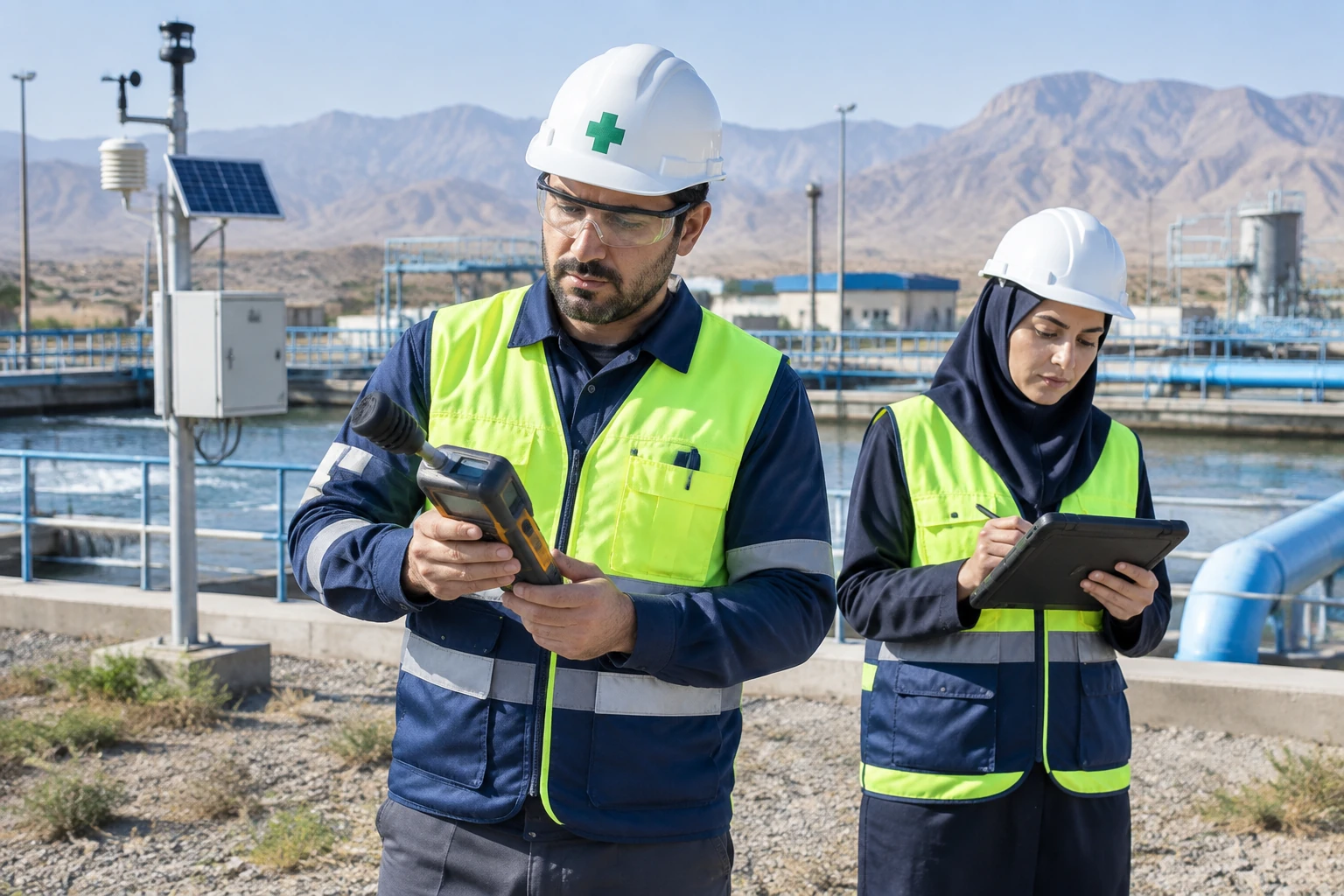
Accordingly, the Ministry of Health has prioritized operational initiatives, such as equipping inspection teams with portable real-time pollutant analyzers, upgrading reference water and food testing laboratories, deploying digital tracking systems for hazardous waste from generation to final disposal, and expanding continuous online monitoring of physical and chemical workplace hazards.
In conclusion, the Minister expressed gratitude to environmental health inspectors, occupational health engineers, and HSE professionals operating across industrial, petrochemical, and healthcare facilities nationwide. He reaffirmed that safeguarding the workforce and preserving natural resources are non-negotiable prerequisites for sustainable economic growth, noting that achieving a resilient, healthy environment relies on shared social responsibility, evidence-based decision-making, and proactive cross-sector collaboration.
- source:HSENK
- author:DGS
- 1405/07/06