
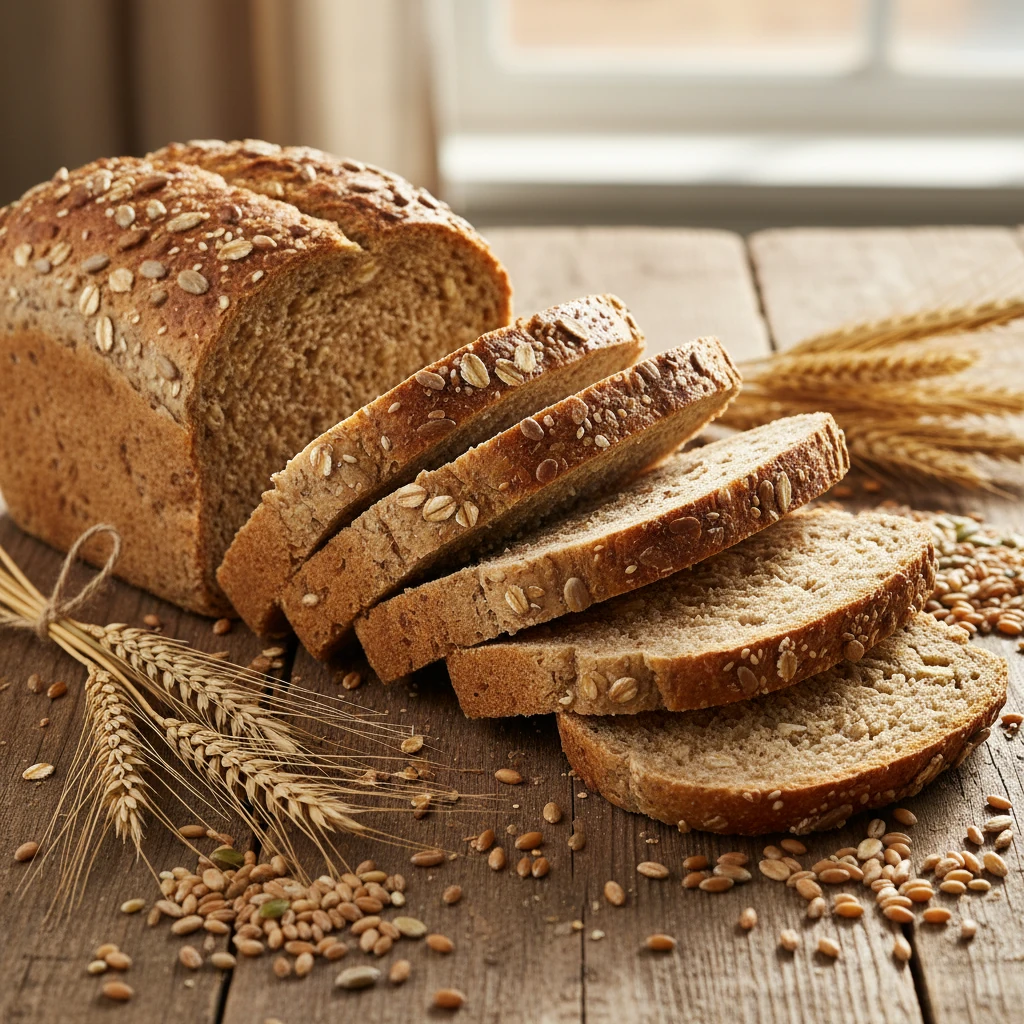
Why Whole Grain Bread Deserves a Central Place on Iranian Tables Once Again
In recent years, the growing prevalence of chronic diseases such as diabetes, obesity, and cardiovascular disorders has intensified attention toward improving dietary patterns. In this context, bread—as one of the most fundamental components of the Iranian diet—plays a decisive role in public health. Nutrition experts believe that the type of bread consumed on a daily basis can have a direct impact on physical health in both the short and long term, a fact that highlights the importance of whole grain bread consumption.
Whole grain bread is made from whole wheat flour, in which the bran and germ of the grain are preserved throughout the milling process. By contrast, in the production of refined white flour, a large portion of the grain’s valuable nutrients is removed. Although white bread may appear lighter and softer in texture, it contains significantly lower nutritional value. This seemingly simple difference lies at the heart of the substantial contrast between whole grain bread and refined bread products.
Dietary fiber is one of the most important components of whole grain bread and plays a critical role in supporting digestive health. Adequate fiber intake helps prevent constipation and promotes regular bowel function. Moreover, fiber contributes to prolonged feelings of fullness, reducing overeating and supporting weight management—an especially important issue in increasingly urbanized societies.
Whole grain bread is also a rich source of B-group vitamins, which are essential for energy production, proper nervous system function, and the reduction of fatigue. The removal of bran during flour refinement significantly decreases these vitamins, potentially leading to nutritional deficiencies over time. Such deficiencies may manifest in symptoms including lethargy, reduced concentration, and general physical weakness.
Another major benefit of whole grain bread lies in its effect on blood sugar regulation. Due to its lower glycemic index, whole grain bread causes a slower and more gradual rise in blood glucose levels after consumption. In contrast, white bread leads to rapid spikes in blood sugar and sudden insulin release, a process that, when repeated over time, increases the risk of developing type 2 diabetes. For this reason, nutrition specialists strongly recommend whole grain bread for individuals with diabetes or those at higher risk of developing the condition.
Scientific research further indicates that regular consumption of whole grains, including whole grain bread, can help reduce levels of low-density lipoprotein (LDL) cholesterol and lower the risk of cardiovascular disease. The antioxidants and essential minerals found in wheat bran—such as magnesium and potassium—play a significant role in maintaining heart and vascular health, further enhancing the nutritional value of whole grain bread.
Despite its many benefits, experts emphasize that changes in bread consumption patterns should be made gradually. A sudden increase in fiber intake may cause mild digestive discomfort in some individuals; therefore, it is advisable to replace refined breads with whole grain alternatives progressively. Furthermore, it is important to recognize that not all breads marketed as “whole grain” are genuinely so. A darker color alone does not guarantee whole grain content, making consumer awareness and informed purchasing decisions especially important.
Ultimately, nutrition experts agree that restoring whole grain bread to family tables is not merely an individual lifestyle choice, but a meaningful step toward improving public health. Choosing whole grain bread is a simple yet impactful decision—one that can contribute, over time, to reducing disease prevalence, enhancing quality of life, and lowering healthcare costs at the national level. It is a decision that begins with everyday meals and extends its benefits to the health of future generations.
author: DGS
source:https://www.mehrnews.com/
1404/09/27