
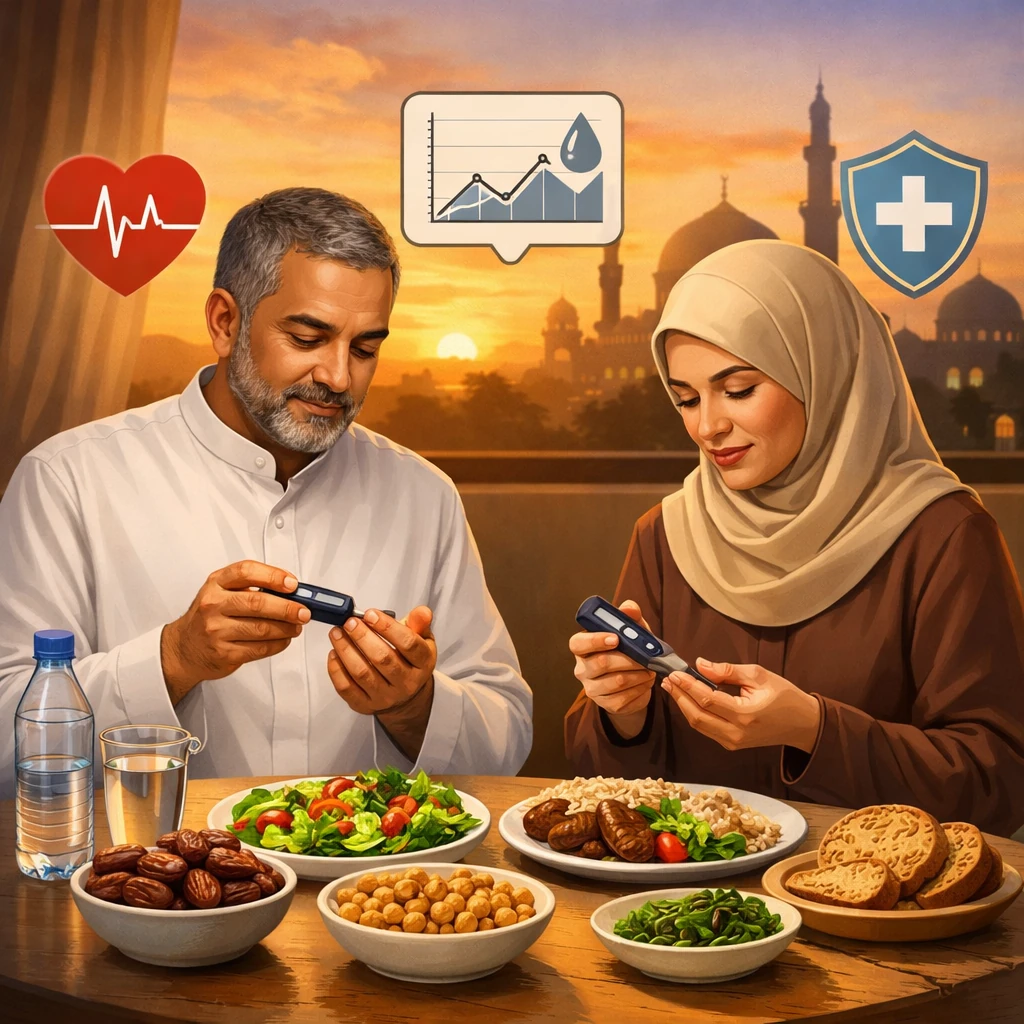
An HSE-Oriented Approach During Ramadan: Ministry of Health Emphasizes Metabolic Safety, Healthy Nutrition, and Obesity Prevention
The Deputy Minister of Health at Iran’s Ministry of Health, Treatment, and Medical Education emphasized the role of Health, Safety, and Environment (HSE) principles in protecting individual and public health, warning against excessive consumption of sugary foods at iftar and stressing that safe nutrition, blood glucose control, and a healthy lifestyle—especially for people with diabetes and other high‑risk groups—are essential pillars of health during the holy month of Ramadan.
According to Mehr News Agency, Alireza Raeisi, speaking at a press conference marking World Obesity Prevention and Control Day, stated that obesity is not merely a cosmetic issue or a matter of weight loss, but rather an indicator of deep metabolic disorders and internal physiological changes that can seriously threaten health safety.
Safe Blood Glucose Control: A Core HSE Principle for Fasting Individuals with Diabetes
He added that sudden weight loss or gain—particularly over a short period—may indicate uncontrolled diabetes or metabolic disorders and, from a health and safety perspective, should be carefully monitored.
Referring to insulin levels during fasting hours, Raeisi explained that during sleep and fasting, insulin levels reach their lowest point, allowing body cells to remain in a state of calm and active regeneration. However, consuming foods with a high glycemic index—such as traditional sweets like zolbia and bamieh—immediately after iftar disrupts this safe metabolic balance.
Metabolic Risks of High Sugar Intake: A Threat to Sustainable Health
According to the Deputy Minister of Health, the sudden spike in insulin following the consumption of simple sugars can:
- Lead to insulin resistance
- Increase fat accumulation
- Exacerbate obesity and non‑communicable diseases
- Cause secondary hypoglycemia, drowsiness, and fatigue
These effects ultimately negate the beneficial impacts of fasting and contradict the health‑centered principles of HSE.
Healthy Nutrition, Food Safety, and Physical Activity: The Three Pillars of Ramadan HSE Health
Raeisi recommended choosing healthy, low‑sugar foods for iftar, stating that beginning the meal with water and foods with a low glycemic index, sufficient protein, and high fiber leads to a more moderate insulin response and longer‑lasting satiety—factors that play a key role in weight control and metabolic health.
He emphasized that attention to food safety, nutritional quality, reduced sugar intake, and increased physical activity is essential not only for people with diabetes but for the general population, and can significantly reduce the burden of non‑communicable diseases.
Childhood Obesity: An HSE Alarm for Future Generations
Addressing children and adolescents, the Deputy Minister noted that reduced physical activity due to excessive use of mobile phones and virtual spaces has endangered children’s health safety and increased the risk of obesity, type 2 diabetes, and metabolic disorders.
From an HSE perspective, he stressed that providing safe environments for physical activity, promoting sports culture, and teaching healthy lifestyles in schools are fundamental preventive measures.
Environmental and Social Dimensions of Obesity
Raeisi also highlighted the role of environmental factors in obesity, stating that air pollution, heavy metals in water, and certain medications can impair pancreatic function, disrupt insulin regulation, and ultimately contribute to obesity and diabetes—issues that are critically important within the environmental (E) component of HSE.
He added that socioeconomic conditions, limited access to healthy foods, and high consumption of fast food and soft drinks further exacerbate overweight and metabolic disorders, and should be addressed in health‑oriented policymaking.
The Need for a Comprehensive HSE Approach to Non‑Communicable Diseases
In conclusion, the Deputy Minister of Health emphasized that controlling obesity and preventing non‑communicable diseases requires a comprehensive, multi‑sectoral approach based on HSE principles. This includes lifestyle modification, safe and healthy nutrition, regular physical activity, reduction of environmental pollution, and public awareness—measures essential for ensuring sustainable public health.
- source:https://www.mehrnews.com/
- author:DGS
- 1404/11/30