
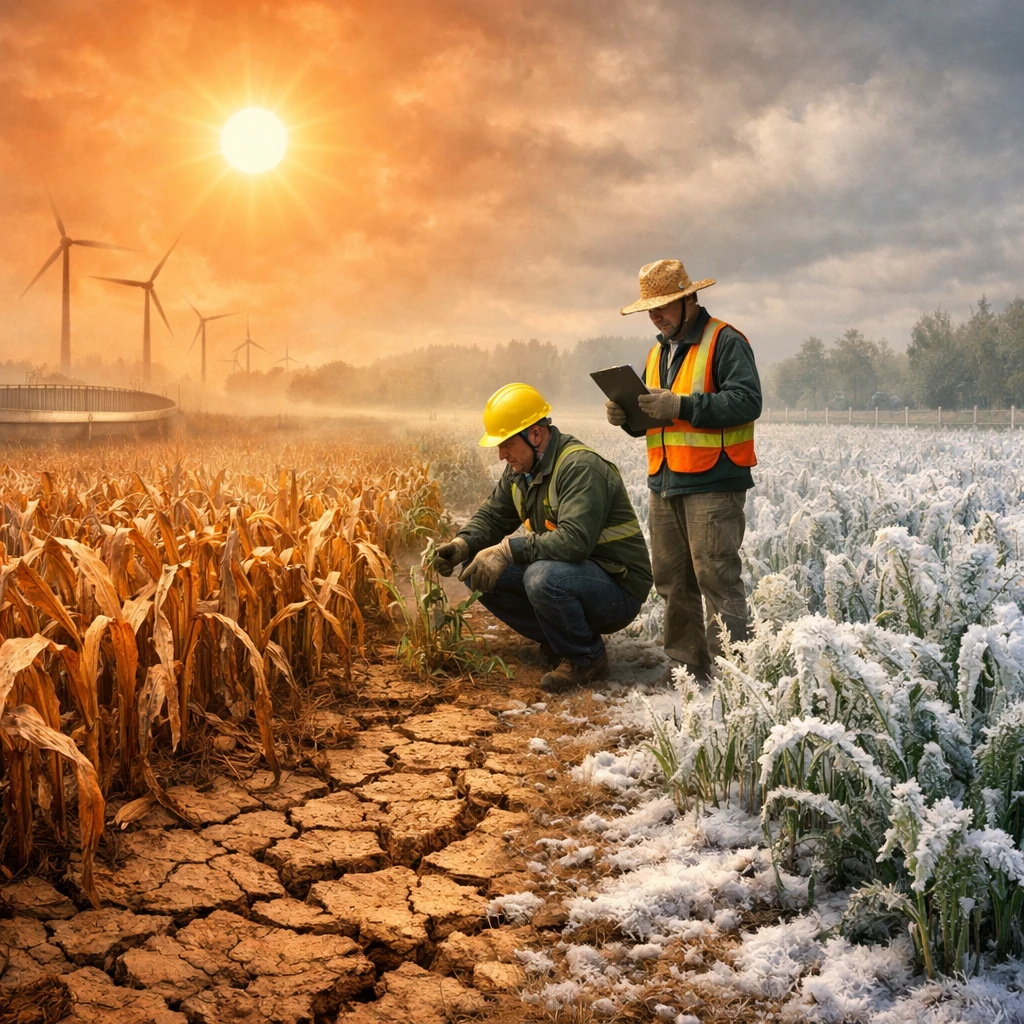
Severe Temperature Fluctuations: A Silent Threat to Agriculture, Public Health, and Environmental Sustainability
In recent years, severe and unpredictable temperature fluctuations—recognized as one of the most serious consequences of climate change—have turned into a silent yet widespread threat to the agricultural sector. This challenge not only reduces agricultural productivity but also brings significant implications for Health, Safety, and Environment (HSE), potentially undermining food security and public health.
According to expert reports, sudden temperature spikes, off‑season heatwaves and cold spells, and altered precipitation patterns have imposed intense stress on crops and orchards, resulting in substantial economic losses for farmers. These conditions have also contributed to the increased spread of agricultural pests and plant diseases, leading to higher consumption of pesticides and chemical inputs—an issue that, from an HSE perspective, raises serious concerns about soil and water contamination and risks to consumer health.
Occupational health specialists warn that temperature instability, particularly extreme heat during warm seasons, poses serious risks to the health and safety of farmers and agricultural workers. Heat stress, dehydration, excessive fatigue, and reduced concentration in the workplace significantly increase the likelihood of occupational accidents and physical injuries, highlighting the urgent need for stricter safety and health measures in agricultural operations.
Environmental experts further emphasize the long‑term impacts of climate change, noting that the persistence of temperature fluctuations may result in ecosystem degradation, loss of biodiversity, and intensified soil erosion. They argue that inadequate management of these conditions not only threatens sustainable agriculture but also leads to irreversible environmental consequences.
In this context, HSE specialists stress the importance of adopting a preventive approach and recommend measures such as revising cropping patterns, developing climate monitoring and early warning systems, providing continuous training for farmers on safety and health risk management, and promoting environmentally friendly and climate‑resilient agricultural practices.
Relevant authorities have also called for enhanced cooperation among executive bodies, research centers, and agricultural organizations to implement scientifically grounded, HSE‑based strategies. Such coordinated efforts are essential to mitigating the adverse impacts of temperature fluctuations, safeguarding workforce health, protecting the environment, and ensuring sustainable food security.
author:DGS
- source:https://www.mehrnews.com/
- author:DGS
- 1404/12/02