
Methane Leak in Indian Tunneling Project: A Wake-Up Call for Strict Confined Space Safety Protocols
Risk Management in Underground Projects: A Vital Necessity for Preventing Similar Incidents in National Construction Projects
The recent methane gas leak in an Indian construction project, which tragically resulted in the loss of 9 lives and left several workers missing, has once again brought the necessity of revising “Confined Space” safety protocols and continuous monitoring of hazardous gases in deep tunneling to the forefront of HSE experts’ attention. This incident highlights the inadequacy of existing ventilation and real-time gas monitoring systems in underground environments as the primary driver of this human catastrophe.
According to reports from the “Labor Health and Safety Advocates” news outlet, the incident occurred during excavation in subterranean layers. A sudden, massive release of methane gas (CH₄), triggered by a landslide and the breach of underground gas pockets, engulfed the tunnel workspace. Methane is a colorless, odorless, highly flammable, and asphyxiating gas; in high concentrations, it rapidly displaces oxygen, leading to immediate asphyxiation of personnel.
Based on preliminary technical analyses, rescue teams are facing significant challenges. Continuous gas leakage and the imminent risk of explosion in confined environments have hindered rapid access to the missing workers. This situation indicates a critical absence of “Smart Gas Monitoring Systems” and the lack of readily available “Self-Contained Breathing Apparatus” (SCBA) near the workers’ location, which has effectively minimized the survivors’ chances.
HSE Imperatives for Tunneling Projects (Expert Recommendations):
This tragic incident in India underscores the urgent need to implement the following requirements in national construction and tunneling projects:
Rigorous Enforcement of Confined Space Entry Protocols: No operation should proceed without a strictly enforced “Permit to Work” and mandatory atmospheric testing before and during the work shift.
Installation of Smart Mechanical Ventilation Systems: Utilizing blower and exhaust ventilation systems with adjustable capacities is essential to dilute contaminated air and maintain oxygen levels within the standard safety range (approximately 19.5% to 23.5%).
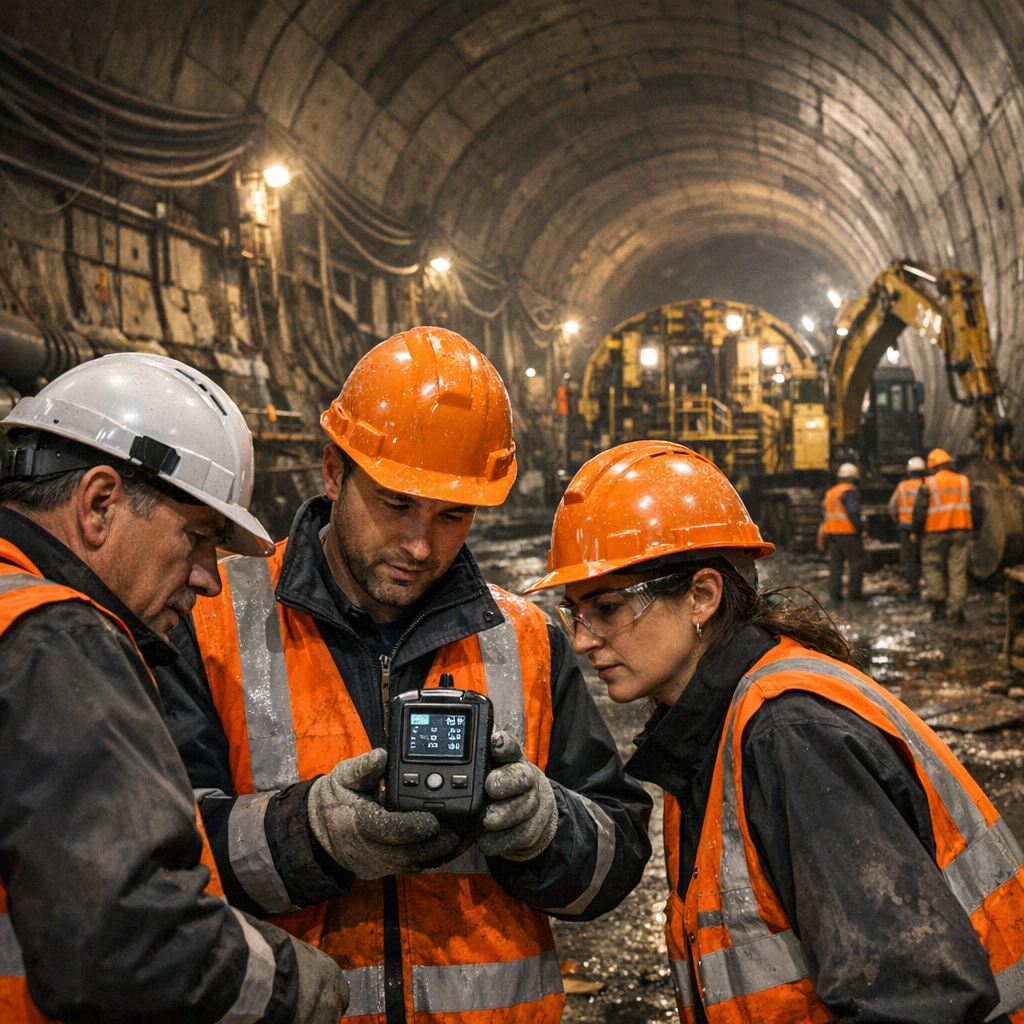
Real-time Atmospheric Monitoring: All workers stationed in tunnels must be equipped with portable multi-gas detectors, ensuring that audible and visual alarms are triggered the moment environmental parameters exceed safe limits.
Crisis Management and Training Programs: Conducting periodic “Confined Space Rescue” drills and training workers on how to identify symptoms of toxic gas exposure can determine the difference between life and death in emergency situations.
HSE Impact and Outlook
The recent incident in India serves as a stark lesson for all stakeholders in construction and mining projects. Safety in tunneling is not a peripheral cost but the “foundation of operations.” Regulatory bodies and contractors of major national projects are urged to prevent the recurrence of such tragedies by developing proactive safety roadmaps, upgrading safety equipment, and mandating the use of modern subterranean hazard detection technologies.
Note: This report is intended for informational purposes to enhance the safety culture across civil engineering and mining projects.
- source:HSENK
- author:DGS
- 1405/05/01