
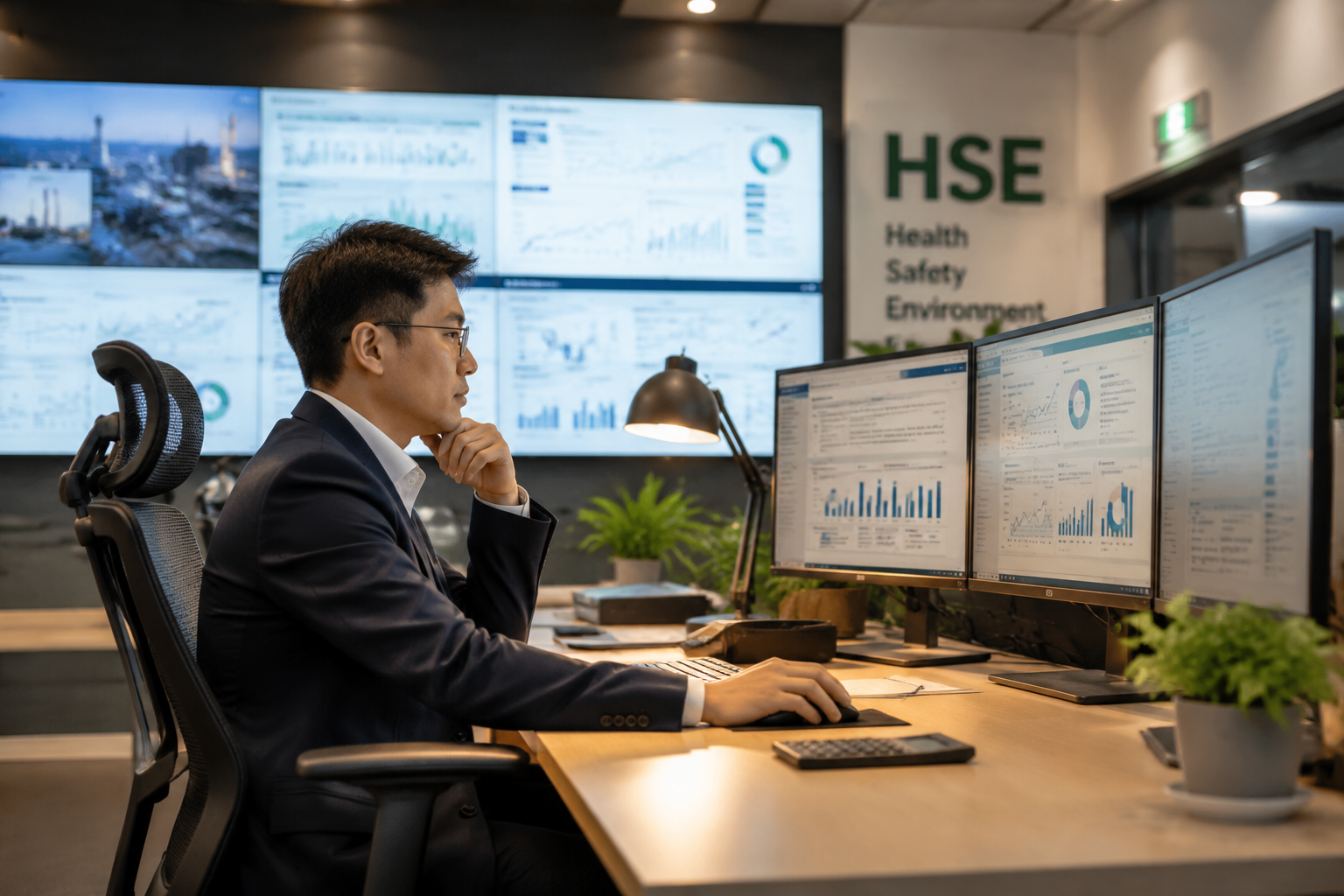
Comprehensive Occupational Health Guidelines on Blue Light Exposure: Modern HSE Strategies for Protecting the Workforce and Digital Display Users
HSE Information & Communication Center: Following the widespread adoption of industrial control systems, administrative automation, and portable smart devices, occupational health management has emphasized the critical need for risk assessment of personnel exposure to the blue light spectrum (380–500 nm) and the implementation of cognitive and visual ergonomic standards across workstations.
According to WebDA and citing specialized findings from the Department of Ergonomics at Shiraz University of Medical Sciences, environmental monitoring of physical occupational hazards indicates that uncontrolled exposure to high-energy short-wavelength visible light imposes notable physiological challenges on occupational health and workforce circadian rhythms.
Disruption of Circadian Rhythms and Decline in Operational Productivity
Dr. Reza Kazemi, Associate Professor of Ergonomics and faculty member, explained the underlying biological mechanisms:
“While natural blue light exposure during early daytime hours stimulates cortisol secretion, sharpens alertness, and boosts cognitive function, chronic exposure during evening and night shifts suppresses the secretion of the vital hormone melatonin by more than 50%. The direct consequence of this disruption is impaired deep sleep (REM cycles), chronic occupational fatigue, and reduced operator vigilance—substantially increasing the likelihood of human error, particularly in critical control rooms.”
He further highlighted that shift workers (night shifts), control room operators, IT support personnel, and employees who exceed 6 hours of continuous display screen equipment (DSE) usage daily represent primary high-risk occupational cohorts.
Computer Vision Syndrome (CVS) and Physical Workstation Risks
Analyzing the pathological ocular effects, the occupational ergonomics specialist added:
“Prolonged visual terminal operation without scheduled recovery intervals significantly reduces spontaneous blink rates (from approximately 18 down to 4–6 blinks per minute). This induces dry eye syndrome, conjunctival irritation, transient blurred vision, and tension headaches caused by sustained ciliary muscle accommodative strain. Given its high prevalence among technical and administrative personnel, prompt ergonomic engineering interventions are vital.”
Referencing corporate social responsibility regarding family health, he noted that children’s ocular lenses exhibit higher transparency and lower natural macular pigment density, transmitting greater levels of high-energy visible light directly to the retina, thereby requiring proactive parental restrictions on digital devices before bedtime.
HSE Engineering & Administrative Control Framework for Organizations
Occupational health specialists recommend implementing the following control measures to optimize workstations and ensure personnel well-being:
Implementation of the 20-20-20 Ergonomic Rule: Personnel should pause every 20 minutes of continuous screen focus to look at an object located at least 20 feet (approx. 6 meters) away for a minimum of 20 seconds to relax the ciliary muscles.
Software and Hardware Filtering Controls: Activate automated blue light filters (Night Light mode) during late working hours, calibrate display color temperatures (below 4,000 K for night shifts), and deploy anti-glare coatings or filters on monitors.
Workplace Ambient Lighting Engineering: Balance local and general illuminance according to occupational health standards (lux limits for office environments), eliminate direct and indirect glare, and prevent unshielded reflections from luminaires or windows on display screens.
Ergonomic Display Positioning & Viewing Angles: Position the top edge of the monitor at or slightly below eye level
Periodic Occupational Vision Screening: Integrate specialized optometric evaluations and dry eye screening into routine annual occupational health assessments to prevent chronic visual impairments and foster overall physical and psychological workplace safety.
- source:HSENK
- author:DGS
- 1405/06/13