
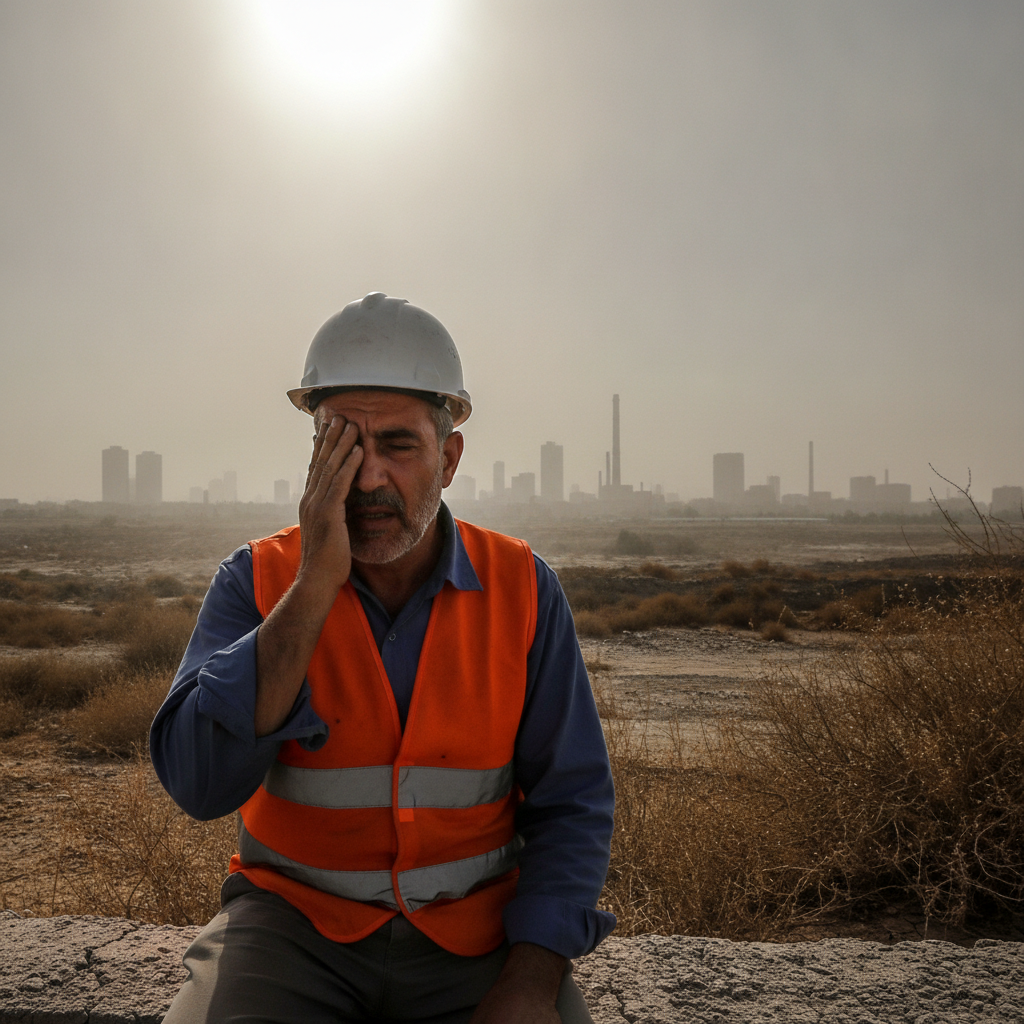
HSE News Desk | As climate change brings extreme heat, temperature fluctuations, declining air quality and changing rainfall patterns, the relationship between weather and mental health has become an important HSE issue. New scientific findings indicate that even short-term, everyday weather changes can affect mood, anxiety, sleep quality and demand for mental health services.
Published scientific reports identify rising temperatures, reduced sunshine, heatwaves, severe storms and sudden weather changes as factors that can increase psychological strain and, in some cases, prompt people to seek counseling or treatment.
How weather affects mental health
A study by researchers at the University of East Anglia in England found that small, short-term weather changes can be associated with increased demand for mental health services. Researchers examined more than 4.6 million contacts and visits between 2014 and 2022 and compared them with weather data for the same period.
Demand increased as temperatures rose toward approximately 35°C. Days with fewer sunshine hours also showed greater demand for psychological support. Researchers emphasized that these effects are not confined to extreme events such as prolonged heatwaves; daily weather changes can also influence mental wellbeing.
Why this matters for Iran
In recent years, rising temperatures, heatwaves, drought, air pollution, dust, dwindling water resources and changing rainfall have become serious environmental and health challenges in Iran, particularly in southern, central and western provinces and major cities.
Alongside physical effects such as heat illness, worsening cardiovascular and respiratory disease and reduced work capacity, these conditions can have substantial psychological consequences:
- Increased anxiety and irritability;
- Reduced concentration and productivity;
- Sleep disturbance;
- Fatigue and psychological exhaustion;
- Worsening depressive symptoms in vulnerable people;
- Greater social tension in workplaces and cities.
From an HSE perspective, outdoor workers and those in demanding conditions deserve particular attention: construction workers, oil and gas and petrochemical personnel, miners, transport and municipal workers, agricultural workers and emergency responders.
Climate change: more than an environmental challenge
Health and safety specialists argue that climate change must be treated as a multidimensional threat to public health, occupational safety and mental health. Rising temperatures can reduce psychological resilience. At work, this may contribute to human error, reduced accuracy, more incidents and poorer decision-making. Climate-related psychological effects therefore need a defined place in comprehensive organizational HSE programs.
Preparing organizations and public authorities
With temperatures rising and extreme heat recurring in Iran, organizations, industrial facilities, municipalities and public-health bodies should review preventive and support programs. Suggested measures include:
– Weather monitoring and HSE alerts: continuously monitor temperature, heat index, air quality and weather conditions, and alert workers and the public.
– Adjusting hours on very hot days: schedule outdoor work during cooler periods to reduce physical and psychological strain.
– Cool, safe rest areas: provide drinking water, shade, suitable ventilation and appropriate rest facilities.
– Employee awareness: explain heat stress, anxiety, insomnia and psychological exhaustion to support early recognition.
– Counseling and psychological support: make support available, particularly during extreme heat or environmental crises.
– Protection for vulnerable groups: prioritize older adults, people with chronic illness or a history of mental health difficulties, shift workers and outdoor operational staff.
Mental health is integral to HSE management
Modern HSE approaches recognize mental health as a core component of occupational and social wellbeing. Preventing physical incidents, controlling pollution and reducing workplace risks must be accompanied by attention to environmentally induced psychological strain.
Climate adaptation planning should therefore include mental health support alongside technical and environmental infrastructure. This can help maintain workforce productivity, reduce absence, improve workplace safety and strengthen organizational resilience.
Conclusion
Scientific findings indicate that even daily weather conditions can affect mental health. In Iran, where extreme heat, drought, pollution and dust present ongoing challenges, the psychological consequences of climate change should be an HSE planning priority. Warning systems, employee education, improved working conditions, psychological support and protection for vulnerable groups can reduce the human and organizational consequences.
Source links: www.mehrnews.com
Original publication date (Solar Hijri): 1405/04/11
Author: Dibagostaran Sanat