
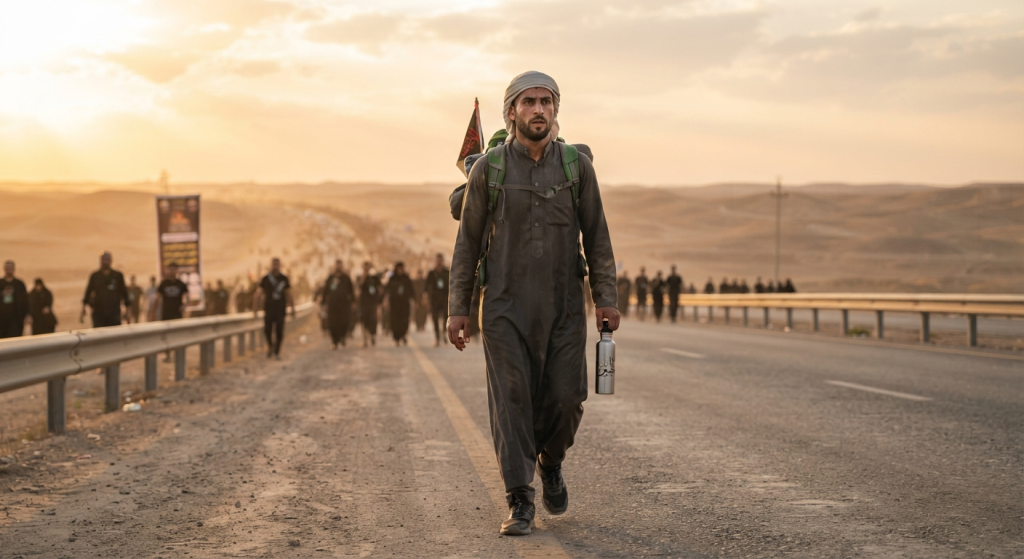
According to the Workforce Health and Safety Supporters news outlet, physiotherapy specialists, emphasizing ergonomic risk assessment on long routes, have called for health and safety protocols to protect pilgrims.
1. Equipment and personal ergonomics
Appropriate equipment is the first line of protection against walking-related incidents and injuries. Shoes serve as foot PPE on this journey and should meet the following criteria:
– Ergonomic design: lightweight athletic shoes with supportive, shock-absorbing insoles to distribute loads on the spine and knees.
– Technical warning: avoid new, unbroken-in shoes, as poor adaptation to the foot greatly increases blisters and secondary infection risk.
2. Physical condition and fitness assessment
Pilgrims with back pain, disc problems, knee pain or arthritis should assess their physical capacity against the demands of the route before walking:
– Planned breaks: uninterrupted walking increases joint inflammation risk. Short, frequent rests are needed to reduce joint loading.
– Appropriate supports: knee and lumbar braces should be used only on the advice of a physiotherapy specialist; unsupervised long-term use can contribute to muscle weakness and atrophy.
3. Warm-up protocols
Stretching before walking helps prevent muscle-strain injuries. Dynamic stretches for the quadriceps, hamstrings, calves and neck increase blood flow to soft tissues and improve resistance to fatigue.
4. Movement ergonomics and posture
Maintain proper spinal alignment throughout the route. Hunching or leaning excessively forward because of an unsuitable backpack adds pressure to the neck and lower back. Upright posture and balanced loading across both shoulders help minimize chronic spinal pain risk.
5. Preventing physiological disturbances and heat illness
Hydration is both a nutritional need and a preventive safety measure:
– Temperature management: dehydration is identified in the report as a contributor to impaired neuromuscular function and aggravation of spinal-disc problems. Appropriate water intake helps prevent painful muscle contractions.
– Breathing technique: the report recommends inhaling through the nose and exhaling through the mouth to support muscle oxygenation, avoid dry mouth and maintain energy.
– Venous return: elevating the legs above heart level while resting can help reduce swelling and assist circulation and fluid return from the lower limbs.
Conclusion
Although spiritually motivated, the Arbaeen walk is a physically demanding field activity from an HSE perspective. A safety-first approach, ergonomic practices and health precautions help pilgrims protect their wellbeing and maintain physical capacity to the end of the route.
Source links: hsenk.ir
Original publication date (Solar Hijri): 1405/05/01
Author: Dibagostaran Sanat