
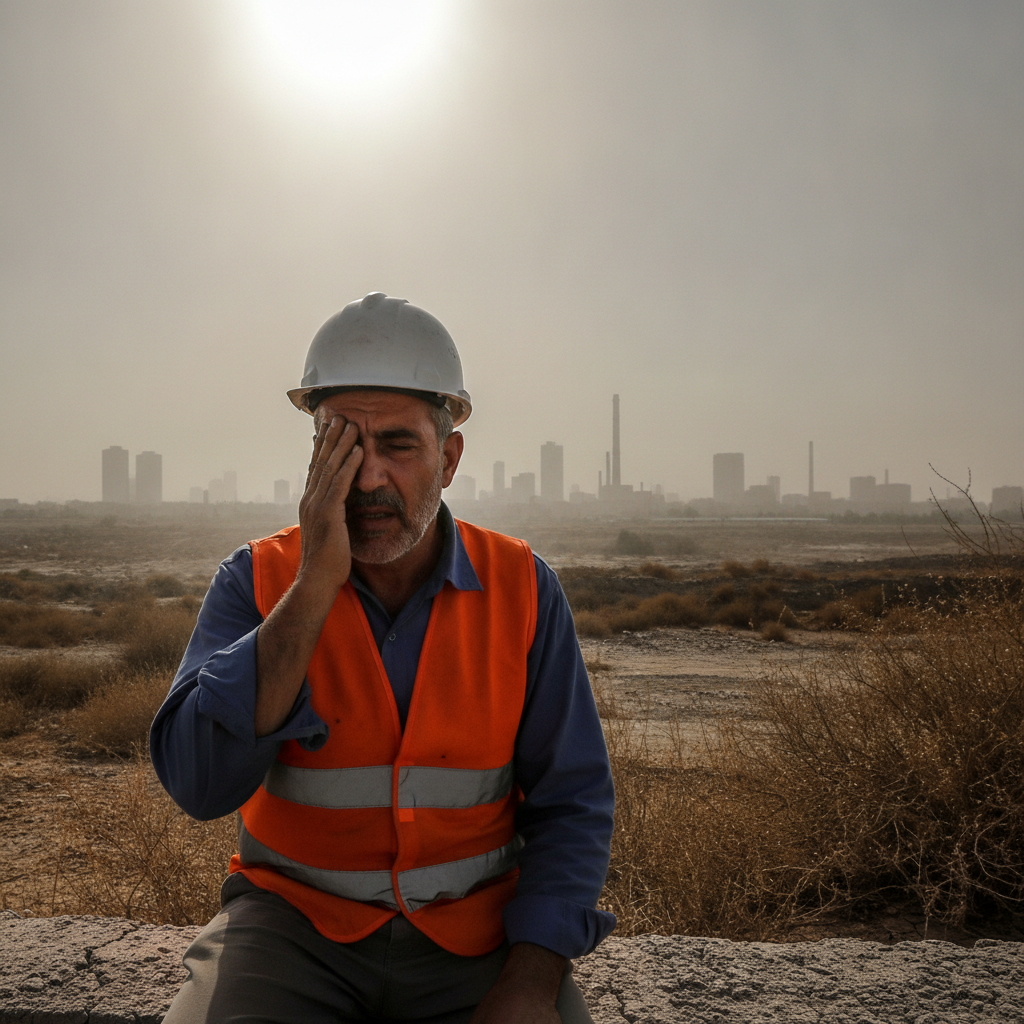
Rising Temperatures and Reduced Sunlight: An HSE Warning for Mental Health of Employees and Citizens
HSE News Desk — As the impacts of climate change continue to intensify worldwide through extreme heatwaves, temperature fluctuations, declining air quality, and changing precipitation patterns, the influence of weather conditions on mental health has become an increasingly important topic in the field of Health, Safety, and Environment (HSE). Recent scientific findings indicate that even short-term and everyday weather changes can affect mood, anxiety levels, sleep quality, and the rate at which people seek mental health support.
According to newly published scientific reports, factors such as rising temperatures, reduced sunlight hours, heatwaves, severe storms, and sudden weather changes can increase psychological stress and, in some cases, lead individuals to seek psychological counseling or medical treatment.
Weather Conditions and Their Impact on Mental Health
A study conducted by researchers at the University of East Anglia in the United Kingdom found that even minor and short-term weather changes may be linked to increased demand for mental health services. The research analyzed data from more than 4.6 million contacts and referrals to mental health services between 2014 and 2022 and compared them with meteorological data from the same period.
The findings revealed that as temperatures increased to approximately 35°C, the number of individuals seeking mental health support also increased. In addition, demand for psychological support was higher on days with fewer sunlight hours.
Researchers emphasized that these effects are not limited to extreme events such as prolonged heatwaves; even routine daily weather changes can significantly influence mental well-being.
Significance for Iran
In recent years, Iran has experienced increasing environmental and climate-related challenges, including rising temperatures, prolonged heatwaves, droughts, air pollution, dust storms, water shortages, and irregular rainfall patterns, particularly in southern, central, western provinces, and major metropolitan areas.
Beyond physical impacts such as heatstroke, cardiovascular and respiratory complications, and reduced work capacity, these environmental conditions can also lead to significant psychological consequences, including:
- Increased anxiety and irritability;
- Reduced concentration and workplace productivity;
- Sleep disorders;
- Higher levels of fatigue and psychological burnout;
- Worsening symptoms of depression among vulnerable individuals;
- Increased social tension in workplaces and urban environments.
From an HSE perspective, this issue is especially critical for workers operating in outdoor or high-risk environments, including personnel in construction projects, oil and gas industries, petrochemical facilities, mining operations, transportation services, municipal services, agriculture, and emergency response units.
Climate Change: A Challenge Beyond Environmental Concerns
Health and safety experts believe that climate change is no longer solely an environmental issue; it must now be recognized as a multidimensional threat to public health, occupational safety, and community mental well-being.
Rising temperatures can reduce individuals’ psychological resilience. In workplace settings, this may contribute to increased human error, lower attention levels, higher accident rates, and impaired decision-making quality. Consequently, managing the psychological effects of climate conditions should become an integral part of comprehensive HSE strategies within organizations.
The Need for Organizational and Institutional Preparedness
Given the continuing rise in temperatures and the recurrence of extreme heat events in Iran, organizations, industrial sectors, municipalities, and public health authorities are urged to review and strengthen their preventive and supportive measures.
Recommended actions include:
Continuous Monitoring and HSE Alerts
Organizations should continuously monitor temperature levels, heat stress indices, air quality, and weather conditions while issuing timely HSE warnings to employees and the public.
Adjusting Working Hours During Extreme Heat
.
Providing Safe and Cool Rest Areas
.
Raising Awareness About Heat-Related Psychological Effects
.
Strengthening Counseling and Psychological Support Services
.
Prioritizing Vulnerable Groups
.
Mental Health: An Essential Component of Modern HSE Management
In modern HSE approaches, mental health is recognized as a fundamental pillar of occupational and social well-being. Just as preventing physical injuries, controlling pollution, and reducing occupational risks are essential, addressing psychological pressures caused by environmental conditions is equally important. Planning for climate adaptation should therefore include not only technical and environmental infrastructure but also mental health support strategies. Such measures can play a key role in maintaining workforce productivity, reducing absenteeism, improving workplace safety, and strengthening organizational resilience.
.
conclusion
Scientific evidence increasingly shows that weather conditions, even on a daily basis, can significantly affect mental health. In a country like Iran, where challenges such as extreme heat, drought, air pollution, and dust storms are becoming more frequent, addressing the psychological impacts of climate change should become a priority within HSE planning and policy-making. Developing early warning systems, improving employee training, adapting workplace conditions, expanding psychological support services, and prioritizing vulnerable groups can significantly reduce the human and organizational consequences of climate-related stressors.
.
- source:https://www.mehrnews.com/
- author:DGS
- 1405/04/11