
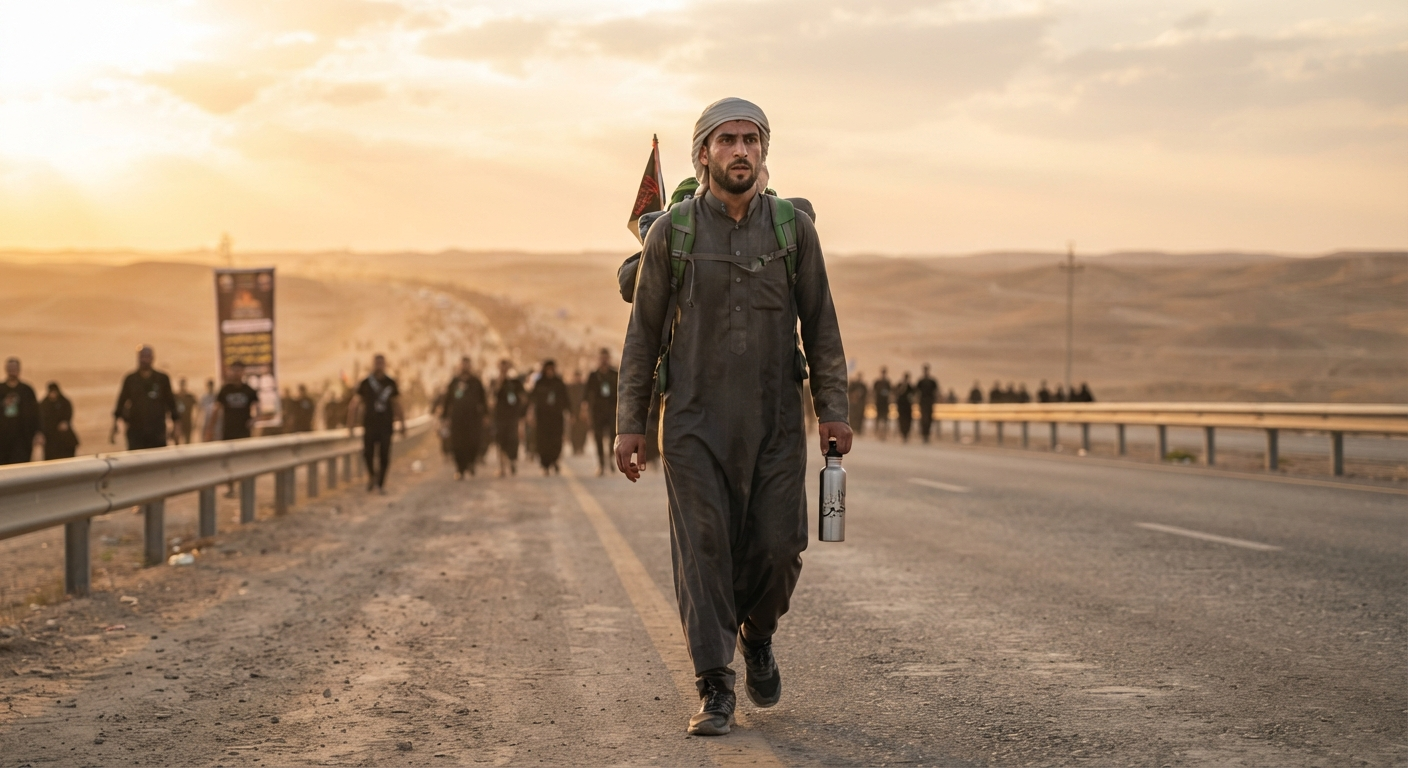
Vital HSE Requirements for Arbaeen Pilgrims: Preventing Musculoskeletal Injuries During Long-Distance Walking
As the Arbaeen pilgrimage approaches and millions of pilgrims prepare for this spiritual journey, managing physical and environmental health risks has become critically important. Dr. Hossein Negahban Siuki, a specialist in physiotherapy and Director of the Physiotherapy Department at Mashad University of Medical Sciences, has issued a warning regarding the risks of “extreme muscular fatigue” and “ergonomic injuries” during long-distance walking. He emphasizes that adhering to Health, Safety, and Environment (HSE) protocols is essential for ensuring the well-being of pilgrims.
1. Management of Equipment and Individual Ergonomics
The first line of defense against accidents and injuries during walking is the use of standard equipment. Proper footwear serves as the “Personal Protective Equipment” (PPE) for the feet in this journey and must meet the following criteria:
- Ergonomic Standard: Lightweight sports shoes with appropriate orthopedic insoles and shock absorbers to distribute pressure from the spine and knees.
- Technical Warning: The use of new shoes that have not been “broken in” is strictly prohibited; due to the lack of adaptation to the foot’s anatomy, they significantly increase the risk of skin blisters and secondary infections.
2. Physical Condition and Fit-for-Duty Assessment
Pilgrims with underlying medical conditions (back pain, disc issues, knee pain, or arthritis) must adapt their physical capacity to the constraints of the route before starting:
- Scheduled Breaks: Continuous walking without stopping significantly increases the risk of joint inflammation. Short, intermittent breaks are mandatory to reduce the load on the joints.
- Smart Use of Assistive Devices: Using knee braces or orthopedic belts is only permitted under the advice of a physiotherapist. Self-prescribed use can lead to muscle atrophy over the long term.
3. Physical Readiness Protocols (Warm-up)
Performing stretching exercises before beginning the walk is key to preventing injuries caused by “muscular tension.” Executing dynamic stretches for the quadriceps, hamstrings, calves, and neck increases blood flow to soft tissues and raises the “fatigue threshold.”
4. Ergonomics of Movement and Body Posture
Maintaining correct spinal alignment throughout the route is essential. Slouching or excessive leaning forward due to an improperly fitted backpack puts excessive pressure on the cervical and lumbar vertebrae. Pilgrims must maintain an upright posture and distribute the weight of their gear across both shoulders to minimize the risk of chronic spinal pain.
4. Ergonomics of Movement and Body Posture
Hydration is not merely a nutritional need but a preventive measure against safety crises:
- Temperature Management: Dehydration is a primary factor in neuromuscular dysfunction and the exacerbation of spinal disc issues. Drinking adequate, temperate water prevents painful muscle cramps.
- Correct Breathing (Exhalation Technique): Inhaling through the nose and exhaling through the mouth is the optimal breathing pattern for oxygenating muscles. This technique prevents dry mouth and exhaustion during activity.
- Venous Return: During rest, elevating the feet above heart level is a simple protocol to reduce edema (swelling) and facilitate blood circulation and the return of fluids accumulated in the lower limbs.
HSE Conclusion
While the Arbaeen pilgrimage is a spiritual journey, from an HSE professional’s perspective, it constitutes a “high-load physical field activity.” Pilgrims should adopt a “Safety First” approach, strictly following ergonomic and health guidelines to ensure their well-being and maintain physical stamina throughout the route.
- source:HSENK
- author:DGS
- 1405/05/01