
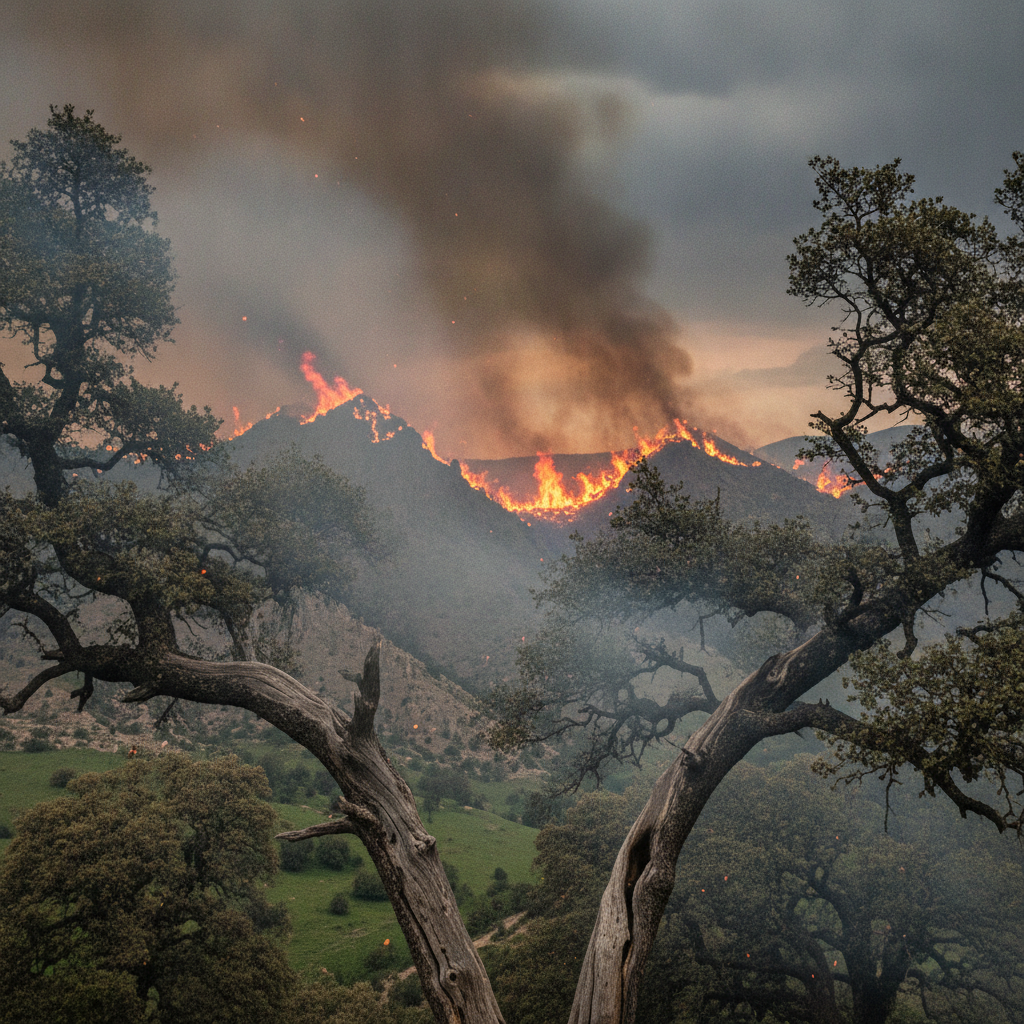
The Zagros Biome Fire Crisis: From Deficiencies in Safety Protocols to the Urgent Need for Risk Management Paradigm Shifts
The recurring wildfires in the Zagros natural habitats have escalated beyond mere climatic events, evolving into a critical challenge for national security and crisis management. Analytical evidence suggests that a significant portion of these fires is not the result of natural causes (Force Majeure) but rather deliberate human intervention (Arson). From an HSE perspective, this report criticizes the performance of relevant authorities in ensuring the safety of firefighting personnel and underscores the urgent necessity to shift from a “Reactive Response” model to a “Proactive & Intelligent Prevention” strategy, leveraging Integrated Incident Command Systems (ICS).
1. Situation Analysis and Nature of Incidents (Risk Identification)
Field studies by ecologists and environmental activists indicate that the term “wildfire” is an inadequate description for the recent events in the Zagros. Evidence points toward “deliberate arson,” a trend that has intensified since 2020. In HSE terms, identifying the source of the hazard is the primary step in crisis management. While pre-2020 fires were largely driven by human error (tourist negligence) or lightning, the current pattern—characterized by high-altitude outbreaks in strategic ecotones—suggests a deliberate and potentially organized pattern that requires intense intervention from judicial and security institutions to identify the “intellectual hubs” behind these destructions.
2. Absence of Safety Protocols and Deficiencies in Incident Command (Safety Gap Analysis)
One of the most critical dimensions of these incidents is “Operational Personnel Safety.” Crisis management in the region faces several structural challenges:
- Lack of Personal Protective Equipment (PPE): Volunteers and local responders often enter high-risk environments without standardized fire-resistant clothing, respiratory protection (masks), or safety footwear, resulting in 27 fatalities among nature protectors to date.
- Absence of Incident Command System (ICS): The lack of a unified command structure at incident sites leads to overlapping responsibilities, resource wastage, and increased risk to life for first responders.
- Training Deficit: Formalized training on modern firefighting equipment (such as fire blowers) has not been systematically provided to local communities.
3. Critical Role of Zagros in Biological and Economic Sustainability (Environmental Impact Assessment)
From a sustainable development perspective, the Zagros is not merely a vegetation cover but a “Defensive Shield” for Iran against climate change:
- Ecosystem Services: This region provides over 40% of Iran’s freshwater and renewable water resources.
- The Domino Effect: The destruction of oak forests leads to the depletion of aquifers, reduced river discharge, and eventually, forced migration and disruptions to the economic and social security of 11 provinces.
- Biodiversity Loss: The elimination of key fauna (such as squirrels and wild boars), which act as natural forest regenerators, breaks the ecological cycle of forest renewal.
4. Critical Audit of Competent Authorities and Resource Management (Resource Management Audit)
The justifications provided by authorities regarding “budget shortages” and “lack of equipment” (such as water-bombing helicopters or support vehicles) contradict allocated budgets. From a management standpoint, the allocation of 1,300 billion Tomans without a measurable reduction in fire rates indicates a lack of “Effective Monitoring & Evaluation” within the Department of Environment and Natural Resources. Focusing on low-impact infrastructure (such as building administrative offices) rather than equipping operational teams and enhancing logistical support indicates a failure in strategic prioritization.
5. Strategic Requirements and HSE Recommendations (Risk Mitigation Strategies)
To transition out of this crisis, the following immediate actions are required:
Strengthening Surveillance Systems: Deploying intelligent monitoring and UAV (drone) patrols in critical ecotones for early detection of ignition points.
Development of Standard Operating Procedures (SOPs): Formulating and enforcing safety protocols for volunteers and strictly prohibiting untrained personnel from entering fire zones.
Logistical Provisioning: Targeted budget allocation for the procurement of modern firefighting technology, standardized PPE, and strengthening the aerial water-bombing fleet.
Judicial-Security Intervention: Engaging the judiciary to investigate arson patterns and ensuring severe legal consequences for the masterminds and perpetrators of these attacks.
Community Empowerment: Establishing and training Rapid Response Teams (RRTs) within local communities, backed by full insurance coverage and logistical support from state agencies.
HSE Impact and Outlook
The Zagros biome is being systematically depleted. Maintaining the current approach will lead to irreparable ecological, economic, and human costs for future generations. Managing this crisis requires national political will, transparency in budget execution, and a fundamental shift from “Fire Suppression” to “Ecosystem Security Management.”
- source:HSENK
- author:DGS
- 1405/04/13